Checking a new garage door, and keeping it working
A garage door is the biggest moving thing in most homes. A few checks when it's fitted and a few minutes each year keep it safe and catch worn parts before they break.
Before the fitter leaves
- Open and close it several times, by hand and with the motor. It should run smoothly and quietly, without catching.
- Check it's balanced. With the motor released, a balanced door lifts with one hand and stays put halfway up.
- Test the safety reverse on an electric door. Ask the fitter to show you: the door should stop and go back up if it meets something on the way down, such as a box on the floor.
- Ask to be shown the manual release, and the outside release if the garage has no other door.
- Look round the frame. The gaps should be even, the seals should touch, and the brickwork should be made good.
- Get the paperwork: the guarantee, the make and model, and the manual. Make sure you have every remote you paid for.
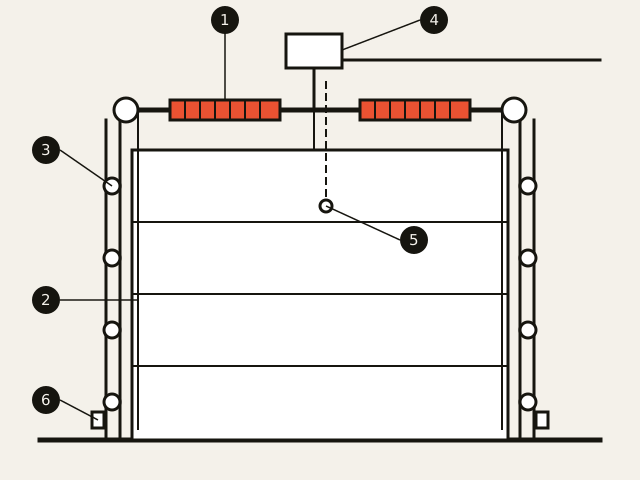
Each year
- Clean the tracks with a dry cloth, and clear leaves and grit from the bottom.
- Oil the moving parts lightly: hinges, rollers and pivot points. The manual says where.
- Test the safety reverse with something soft, such as a cardboard box, under the door.
- Wipe the sensors and check their lights are steady.
- Check the bottom seal isn't split or flattened.
A yearly service
A fitter checks the springs, cables and rollers, balances the door and tests the motor's settings. From the firms we checked, it costs £75 to £150. It's worth it on a door that's used several times a day, or one with an old spring you're keeping an eye on. Repairs that a service can catch early are in what repairs cost.