Boards: how much
A small area around the hatch (up to about 10 m²) is enough for a few boxes. Half the loft or more holds much more and takes longer. Your loft floor is about the size of the rooms below it.
Loft boarding, ladders and hatches
Whether your loft is suitable, what it'll need, what it costs and who should do it. Read as much as you like. When you're ready, tell us about your loft and we'll take it from there.
First
Most house lofts can be boarded for storage. A few things mean someone should see it first, and some need fixing before any boards go down.
For any of these, we'll offer a free 30-minute visit instead of a price online, and tell you why. We don't do loft conversions, which need an architect, building regulations approval and a builder.
More: Is my loft suitable for boarding? · How much weight can a loft take?
Then
A small area around the hatch (up to about 10 m²) is enough for a few boxes. Half the loft or more holds much more and takes longer. Your loft floor is about the size of the rooms below it.
The recommended depth for loft insulation is about 270 mm, and most joists are only about 100 mm deep. Boards laid straight on top would squash deeper insulation and stop it working, so they're raised above it on supports.
Sliding or folding aluminium ladders suit most hatches. Folding wooden ladders feel sturdier underfoot. Concertina ladders fold small, for little hatches or tight landings.
Most ladders need a hatch at least 55 cm across, and you'll want to get boxes through it. A smaller one may need enlarging, and a hatch can be cut where there isn't one.
Water tanks, pipes and cables have to be worked around. Spotlights set into the ceiling below need space around them, so boards can't go straight over them.
Standard ladders suit ceilings up to about 2.9 m. A higher ceiling under the hatch needs a longer ladder.
A light makes a boarded loft far more useful. It's work for an electrician, so it isn't part of a boarding job, but it's easiest to plan at the same time.
More: Can you board over loft insulation? · Raised loft boarding and loft legs: when you need them, and what it adds · Is your loft hatch big enough? Sizes, and what a bigger one costs · A light and a power point in the loft · Loft storage: what's worth doing
What it costs
Answer three questions and watch an indicative price build, itemised, beside what UK firms publish for the same job. To order, add four photos of your loft from your phone, and a local installer confirms the price.
These are the prices UK loft firms published on their own sites in November 2026, beside the price you'd see here for the same job. Where a firm's price was before VAT, we've added it, so both columns include VAT.
| Job, supplied and fitted | Typical published price | Price here |
|---|---|---|
| Loft ladder, aluminium | £210 to £375 | £295 |
| A small boarded area around the hatch, with a ladder | £444 to £1,111 | £690 |
| About half the loft boarded, with a ladder | £780 to £2,306most often £999 to £1,519 | £1,145 |
| Most or all of the loft boarded, with a ladder | £1,230 to £2,434 | £1,745 |
| A new or bigger hatch | adds £220 to £375 | adds £250 |
Raised boards, for insulation deeper than the joists, add £200 for a small area, £450 for about half the loft and £750 for most of it. A folding wooden ladder, which comes with its own hatch, adds £375 and a concertina or telescopic ladder £155.
Your price comes from your answers and photos. The local installer who takes your job reviews them and confirms the price before anything is booked. If they need to change it, they'll tell you why, and you can say no.
Who should do it
There's more than one good way to get a loft boarded. Here's how they compare.
Boarding a small area on the joists is a fair job if you're happy working in a loft. Boards and loft legs are sold at DIY stores. Stand only on the joists, don't squash the insulation, and keep boards clear of cables. A new or bigger hatch is harder: it often means cutting a ceiling joist and supporting the ends.
Two or three quotes give you a feel for the price, though they rarely line up item by item. Expect a visit from each. Ask what's included, how they'll deal with the insulation, and who takes the offcuts away.
Tell us about your loft from your phone, with help at each question, and see everything itemised with an indicative price. We review every job and look for one local firm, checked before it gets your job. No sales visit, and nothing to pay to order.
More: Loft boarding: DIY or a firm? An honest comparison · Questions to ask a loft boarding firm, and how to compare quotes
How we help
A few questions about your home, the hatch and what you'd like done. Each one that needs a measurement or a look in the loft shows you how to check.
From your phone, as long as you can take them safely from the ladder.
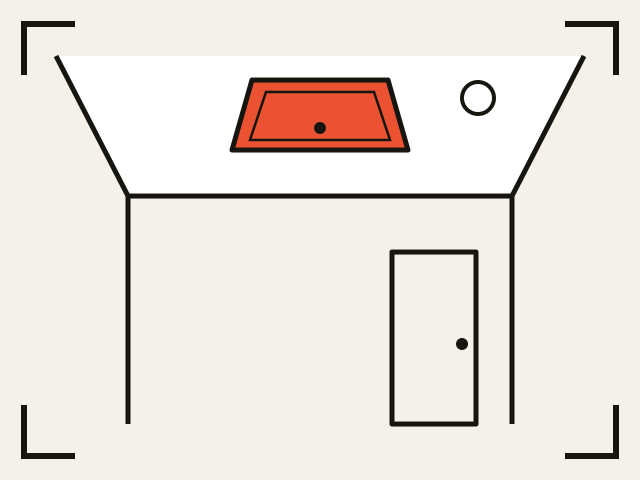 The hatch from below
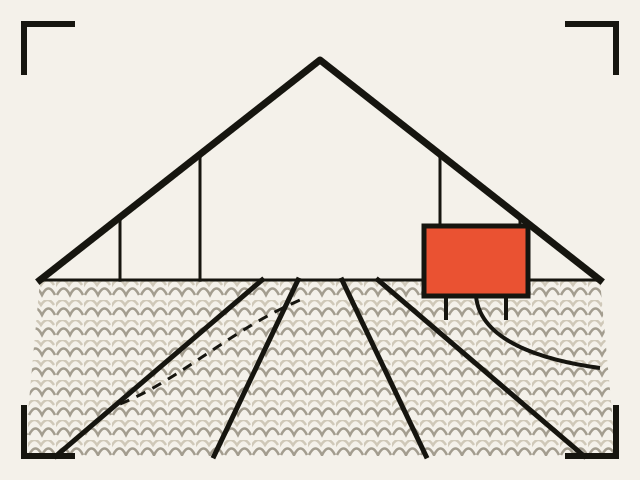 Inside the loft
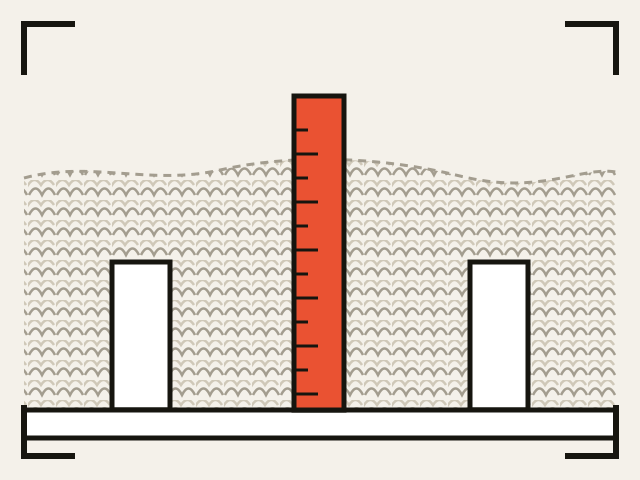 The insulation and a joist
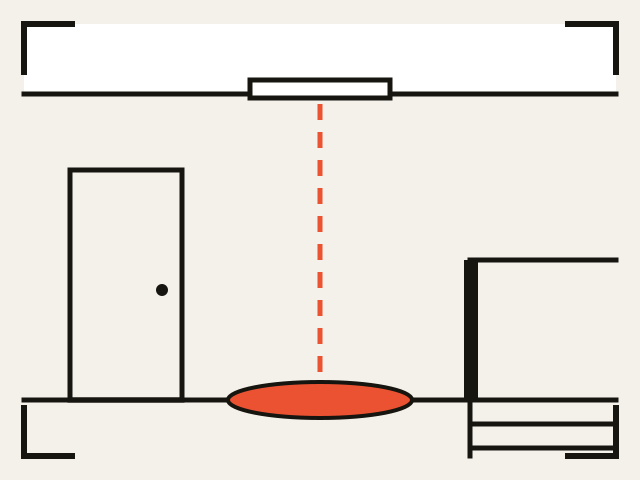 Where the ladder comes down
Your price, what's included and what the installer will check. Choose the dates that suit you and order. There's nothing to pay to order.
We'll get in touch by email or phone with the name of the local loft firm that will do the work and your confirmed price, and you decide whether to go ahead. If we can't find a firm for your job, we'll tell you that too.
Your installer's updates come to you through us, and once the job's done, we'll ask how it went.
Every job is read by one of us before it goes to a firm, and we're who you'll hear from. If something isn't clear, or you'd like a second opinion before you start, ask us.
Most house lofts can be boarded for storage. Seven checks you can do from the hatch in about five minutes, what each answer means, and the few things that mean someone should see it first.
Boards, a ladder and a light turn a loft you avoid into storage you'll use. What each is worth, how much floor you need for what you'd store, and what's better kept out of the loft.
Less than most people think. Ceiling joists are sized for light storage, not a second floor. A worked example of what boxes weigh, and how to store more without asking too much of the joists.
Your options, from a battery light you stick up yourself to a wired light with a switch by the hatch. Which needs an electrician, which needs notifying, and why it's best done before the boards go down.
How to measure your loft hatch, what size you need for a ladder and for your boxes, your options if it's too small, and what making it bigger costs.
If your loft insulation hides the joists, the boards need raising above it, on timber, loft legs or a raised frame. How to tell in a minute from the hatch, how each way works, and what raising adds to the price.
Yes, as long as the boards don't squash it. When the insulation is deeper than the joists, the boards go on raised supports above it, with a small gap for air.
A ladder usually doesn't. Boarding might, because of the weight on the joists, and the official guidance says to ask your council. What the rules say, job by job, from boards to a bigger hatch and a light.
Will a ladder fit your hatch, which kind suits you, and what a ladder costs fitted. With the two measurements to take first.
Had a loft quote and wondering if it's fair? Sixty prices from fourteen UK loft firms' own price lists, by job and by size of loft, with VAT added where it was left out.
A small area of boards on the joists is a fair DIY job. Raised boards, a bigger hatch and a ladder are harder. Job by job, what DIY involves, where it goes wrong, and what a firm costs instead.
Loft quotes are hard to compare because each firm packages the job differently. These questions put two quotes side by side, line by line.
What to clear, what to move and what to tell your installer before they arrive to board your loft or fit a ladder. A checklist that takes an evening.
Measure the hatch, the ceiling under it and the area you'd like boarded, and check the insulation, in about ten minutes with a tape measure and a torch.
The four photos a loft installer needs to price boarding or a ladder without a visit, how to take each one safely, and what the installer looks for in it.
Ten things to look at before the fitters leave, from the hatch, the ladder and the ceiling below. What good looks like for each, and what to say if something isn't right.
Damp in a loft after boarding is usually condensation, not a leak. Why it happens, the signs to look for in the first winter, and the fixes, most of which cost little.
It's fixed once your installer has reviewed your answers and photos and confirmed it, and you've accepted. Until then it can change if the photos show something your answers didn't, and the installer has to tell you why. You can say no to a changed price.
No. Ordering is free, and so is Cracking Job. You pay your installer for the work, on the terms they confirm with your price.
A local, independent loft firm. We check each firm's company registration, insurance and reviews before we pass them a job, and you'll know their name before they get your details. You agree the job with them directly. If you'd rather a different installer, you can ask for one.
Most ladders take a few hours to fit, and most boarding jobs a day or two. Your installer confirms the time with your price.
Fitting a ladder doesn't usually. For boarding, the government's Planning Portal says you may need approval, because most loft joists weren't designed to carry much weight, and your council can advise. A loft conversion does need it, which is one reason we don't price conversions.
A new service from Customer Engine Ltd. We help you price and order work online from a local independent firm, and keep you updated until it's done. Loft boarding and ladders are the first jobs we cover.
Not yet. When you enter your postcode, we'll tell you straight away if you're outside it, and you can leave your email to hear when we reach you.
Ordering loft boarding and ladders online opens soon. It'll be a few questions, with help at each one, and photos from your phone.
Coming soon