Checking a loft job: what a good one looks like
A good loft job is one you can stop thinking about. Boards that don't move, insulation that still works, air that still gets in at the edges, and a ladder that comes down smoothly every time.
You don't need to climb into the loft to check. Everything here is from the top of the ladder or from the floor. Do it with the installer before they leave, so any questions get answered while they're there.
From the top of the ladder
From the floor
9. The ladder. Pull it down and put it back two or three times. It should slide or fold smoothly, lock at full length, and stand with its feet flat on the floor and no gap. It shouldn't wobble when you climb it. Ask the installer to show you how it stows.
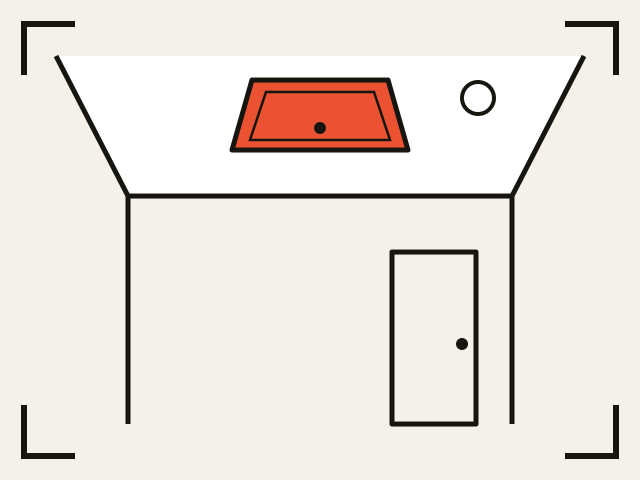
10. The ceiling below. Look at the ceilings in the rooms under the boarded area. Fine new cracks are worth pointing out now. If the hatch was made bigger, the new frame should be neat and square. Filling and painting around it isn't included, so plan to decorate.
What to ask before they go
- What did you find? Anything about the joists, the roof or the wiring worth knowing?
- How high are the boards raised, and was a gap left for air?
- Is there anything I shouldn't store up there, or anywhere I shouldn't put weight?
- Have the packaging and offcuts gone? Taking them away is part of the job.
If something isn't right
Say so while they're there. It's much easier to fix a loose board or a trapped cable now than after they've left. If you ordered through Cracking Job, tell us too. We pass your installer's updates on to you, and we'll ask how it went once it's done.
In the weeks after, keep an eye out for damp on the underside of the roof. Condensation after boarding says what to look for.